
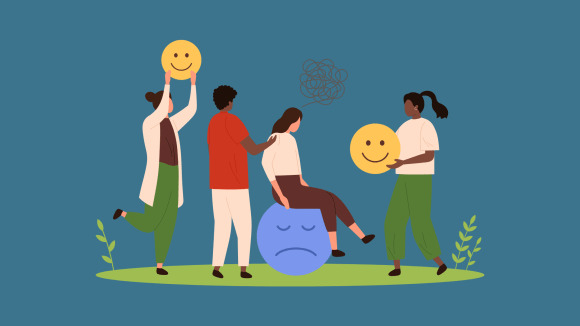
One of the most difficult parts of adulthood is realizing that you may no longer be in alignment with the people you love most. As we grow, our values, priorities, beliefs, and goals naturally evolve. Sometimes that growth brings us closer to the people in our lives. Other times, it creates distance.
For many young adults, this experience can feel confusing and painful. You may find yourself questioning friendships, family relationships, romantic partnerships, or long-standing social circles. It can leave you feeling isolated, guilty, or even wondering if you’re making the right decisions. If you’ve ever felt stuck in a loop of overthinking conversations, replaying conflicts, or questioning your relationships, you’re not alone.
 Why Misalignment Feels So Uncomfortable.
Humans are wired for connection. From an early age, we learn to seek belonging and acceptance from the people around us. When our values begin to shift or our needs change, it can feel threatening to relationships that once felt secure
You may notice thoughts such as:
- “Why don’t they understand me anymore?”
- “Am I changing too much?”
- “Should I just keep the peace?”
- “What if I lose this relationship completely?”
These questions often create emotional tension because there is no easy answer.
Many young adults experience this challenge during major life transitions such as graduating college, starting a career, entering therapy, ending a relationship, or developing stronger personal boundaries. As your sense of self becomes clearer, some relationships naturally shift.
The Psychology of Feeling Stuck
 When relationships no longer feel aligned, many people become trapped in a cycle of emotional avoidance.
The cycle often looks something like this:
Discomfort → Avoidance → Temporary Relief → More Discomfort
Instead of addressing the emotions directly, we may distract ourselves, suppress our feelings, or convince ourselves that everything is fine. Unfortunately, unresolved emotions rarely disappear on their own.
Learning to Feel Your Feelings
Many people were never taught how to process emotions in a healthy way.
Processing emotions does not mean acting on every feeling or becoming overwhelmed by them. Instead, it means allowing yourself to acknowledge what you’re experiencing without judgment.
When you notice emotional discomfort, try asking yourself:
- What am I feeling right now?
- What triggered this emotion?
- What need might this feeling be pointing toward?
- Is this emotion connected to a current situation or an older wound?
 Naming emotions often reduces their intensity and creates clarity.
You may discover that beneath frustration is sadness. Beneath anger is hurt. Beneath confusion is fear.
Accepting That Relationships Can Change
One of the hardest realities of adulthood is understanding that not every relationship is meant to remain exactly the same.
Growth can create new boundaries, different priorities, and changing expectations. While this can be painful, it does not automatically mean someone is wrong or bad.
Sometimes relationships evolve.
Sometimes they become healthier.
Other times, they require distance.
And sometimes they simply no longer fit who we are becoming.
Allowing yourself to grieve these changes is an important part of emotional processing.
Building Emotional Resilience
Processing emotions requires self-compassion.
 Rather than criticizing yourself for struggling, try reminding yourself:
- Growth is uncomfortable.
- Change often brings uncertainty.
- It is okay to outgrow certain dynamics.
- My feelings deserve attention.
Journaling, mindfulness practices, trusted conversations, and therapy can all help create space for emotional processing.
The goal is not to eliminate difficult emotions. The goal is to move through them rather than remain trapped by them.
How Therapy Can Help
Therapy provides a supportive space to explore relationship changes, emotional discomfort, and personal growth. A therapist can help you understand patterns that keep you feeling stuck, identify emotional triggers, and develop healthier ways of coping with conflict and change.
If you’re feeling stuck in Brooklyn, NY, navigating relationship shifts as a young adult, therapy can help you gain clarity, process difficult emotions, and move forward with greater confidence and self-understanding.
This can leave people feeling stuck in a loop, replaying the same thoughts and emotions without finding resolution.
Get Support When You’re Stuck In A Loop in Brooklyn, NY
For individuals experiencing this in Brooklyn, NY, where life often moves quickly, and social expectations can feel overwhelming, finding space to process emotions can be particularly challenging. SG Wellness provides a supportive, judgment-free space for young adults in Brooklyn, NY, to process difficult emotions, navigate relationship changes, and move forward with greater clarity and confidence. You can reach out to start your therapy journey by following these simple steps:
- Contact us to schedule a free consultation.
- Meet with a caring therapist
- Take your first step toward feeling like yourself again.
Other Services Offered with SG Wellness
At SG Wellness, we offer a range of mental health services designed to support clients wherever they are in their journey. In addition to young adult therapy, we also offer individual therapy, depression treatment, individual relationship therapy, and group therapy. All of our services are available via online therapy in New York, and we proudly serve Brooklyn, Bed-Stuy, The Bronx, Queens, and surrounding areas. Wherever you are in your story, we’re here when you’re ready.
Recent Comments